If your monthly close process depends on one person’s memory, your firm may be carrying more operational risk than you realize.
• 6 min read
• EasyBankStatements

One of the clearest signs that a bookkeeping firm is approaching an operational ceiling is when critical workflows live almost entirely in one person’s head.
At first, this can feel efficient.
A senior bookkeeper knows exactly which clients are always late with statements. A team lead remembers which folders need manual cleanup before month-end. A partner knows the order in which reconciliations need to be reviewed.
Nothing is formally documented, but the team still gets through the work.
The problem is that what feels efficient at a smaller scale often becomes a hidden risk as the firm grows.
When memory becomes the workflow
If the close process depends on one person remembering what happens next, the workflow itself is fragile.
This often shows up in ways such as:
only one team member knows where client documents are stored
follow-up cadence lives in email habits rather than a process
naming conventions are inconsistent across the team
handoffs depend on verbal communication
month-end tasks are not standardized
These issues may remain invisible while the same people stay in the same roles.
But growth, turnover, or even a vacation can quickly expose the weakness.
The real cost of undocumented workflows
The risk is not only operational delay. It is also dependency.
When one person becomes the workflow, the firm becomes vulnerable to disruption.
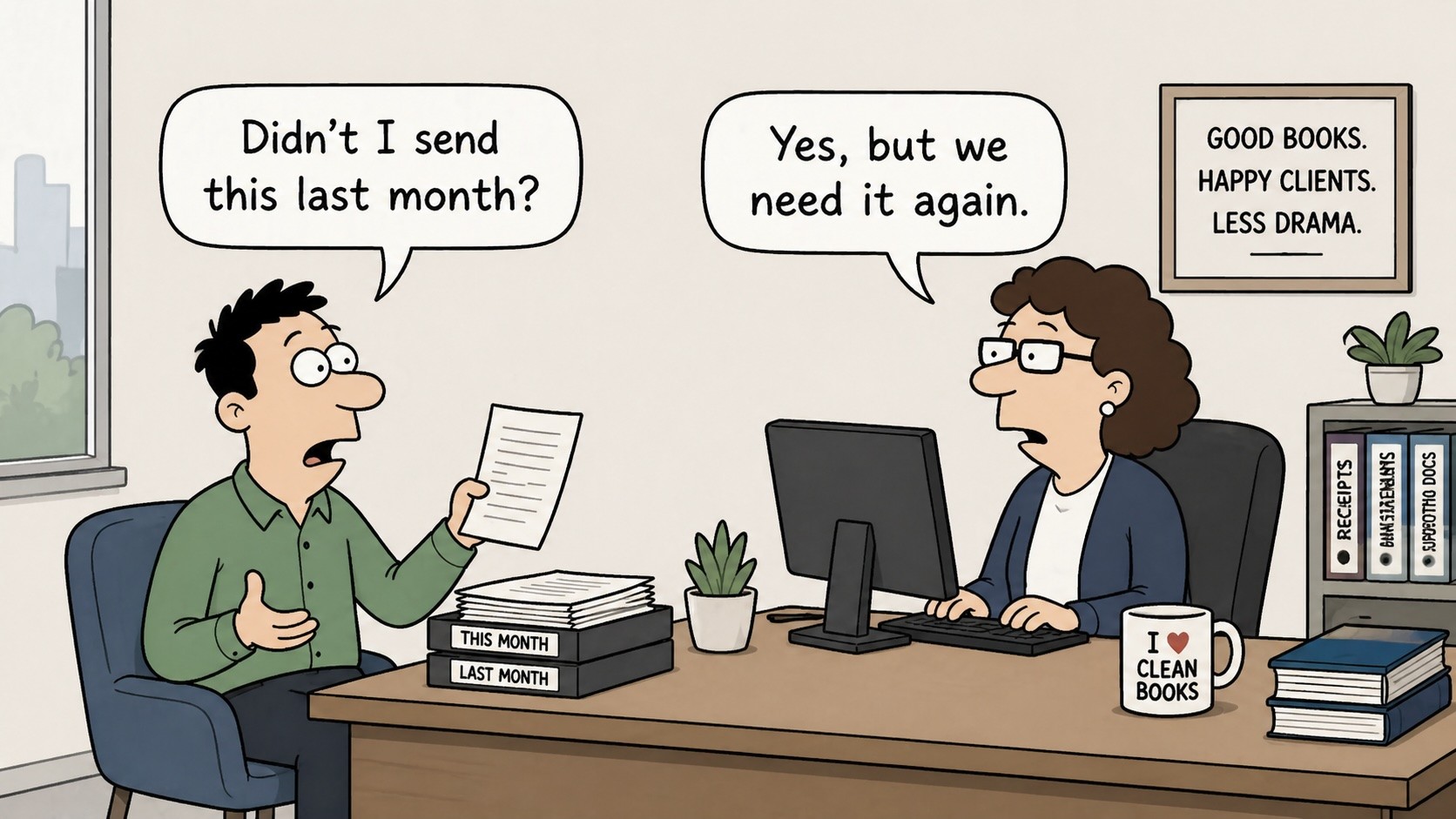
A missed handoff can delay reconciliations. Missing statements may not be chased because only one person knows which clients require follow-up. A new hire may need weeks to understand a process that was never formally built.
This creates friction, slows growth, and compresses margins.
Instead of scaling through systems, the firm scales through individual memory and effort.
That model eventually breaks.
What scalable firms do differently
Firms that scale well reduce dependency on individuals.
This includes:
documented monthly close checklists
standardized file naming conventions
centralized document workflows
repeatable follow-up processes
clear ownership across team members
The goal is to ensure that the workflow can survive staffing changes and client growth without introducing operational chaos.
When the process is visible, trainable, and repeatable, the firm becomes far more resilient.
Where EasyBankStatements fits in
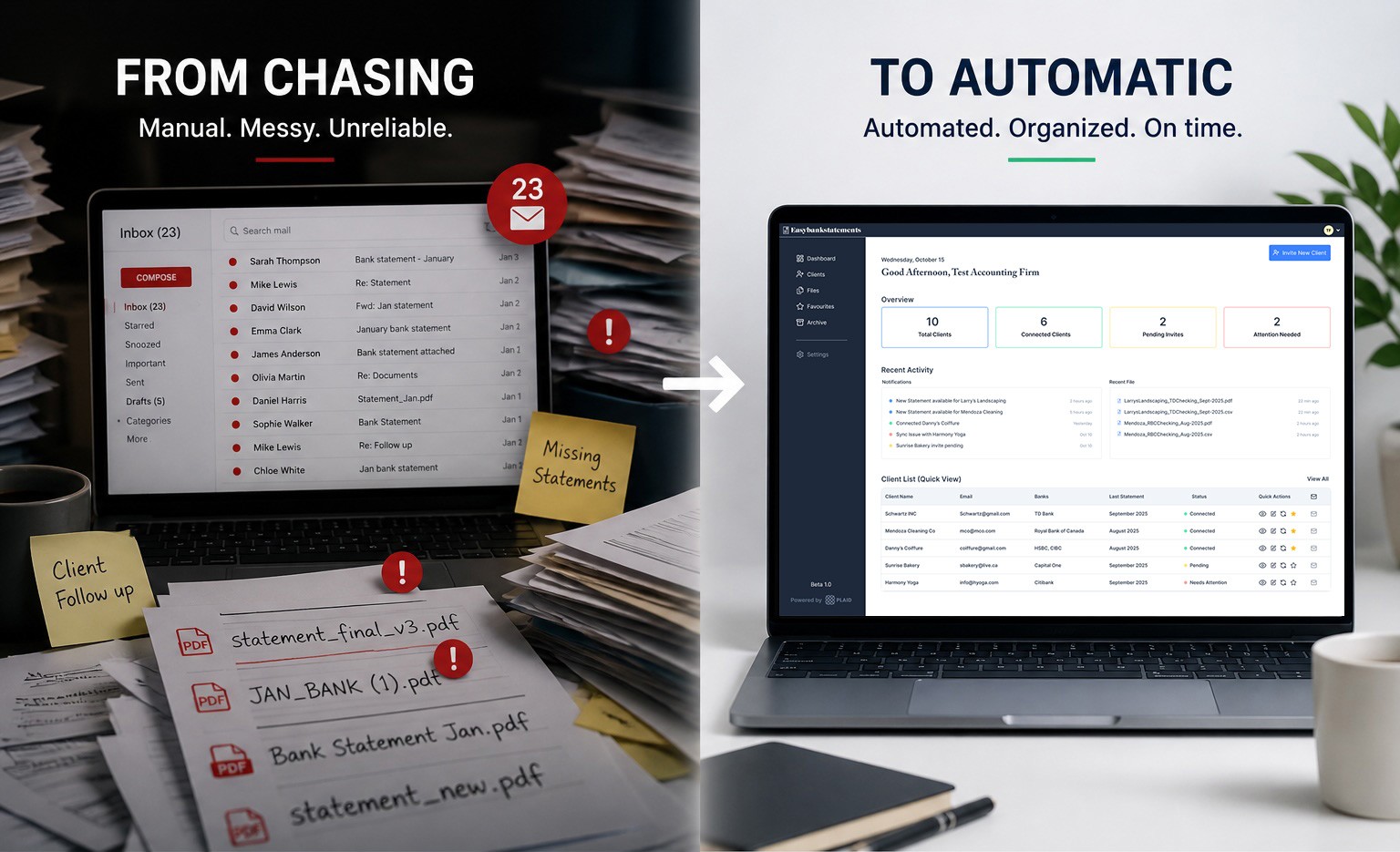
EasyBankStatements helps bookkeeping firms reduce workflow dependency by automating monthly bank statement collection and creating a more consistent, centralized document process.
Book a demo to see how your firm can scale beyond tribal knowledge and build workflows that support growth.